Ultra-marathon swimmers who earned the Triple Crown, a title held by less than 500 people worldwide.
-
![]()
ROBBEN ISLAND
Completed in 2023
Robben Island to Blauberg, South Africa
7 km
-
![]()
LAGO D'ORTA
Completed in 2023
Across Lake Orta, Italy
14 km
-
![]()
ENGLISH CHANNEL
Completed in 2022, 2024
England to France
34 km
-
![]()
CATALINA CHANNEL
Completed in 2023
Santa Catalina Island to Mainland, USA
33 km
-
![]()
MANHATTAN - 20 BRIDGES
Completed in 2023, 2024
Circumnavigation of Manhattan, USA
48 km
-
![]()
COOK STRAIT
Completed in 2024
South to North Island, New Zealand
22km
-
![]()
KAIWI CHANNEL
Aborted due to shark attack in 2025
From Molokai to Oahu, USA
42km
-
![]()
NORTH CHANNEL
Scheduled attempt August 2026
Ireland to Scotland
33 km
-
![]()
GIBRALTAR STRAIT
Completedin 2026
Tarifa, Spain to Punta Cires, Morrocco
17 km





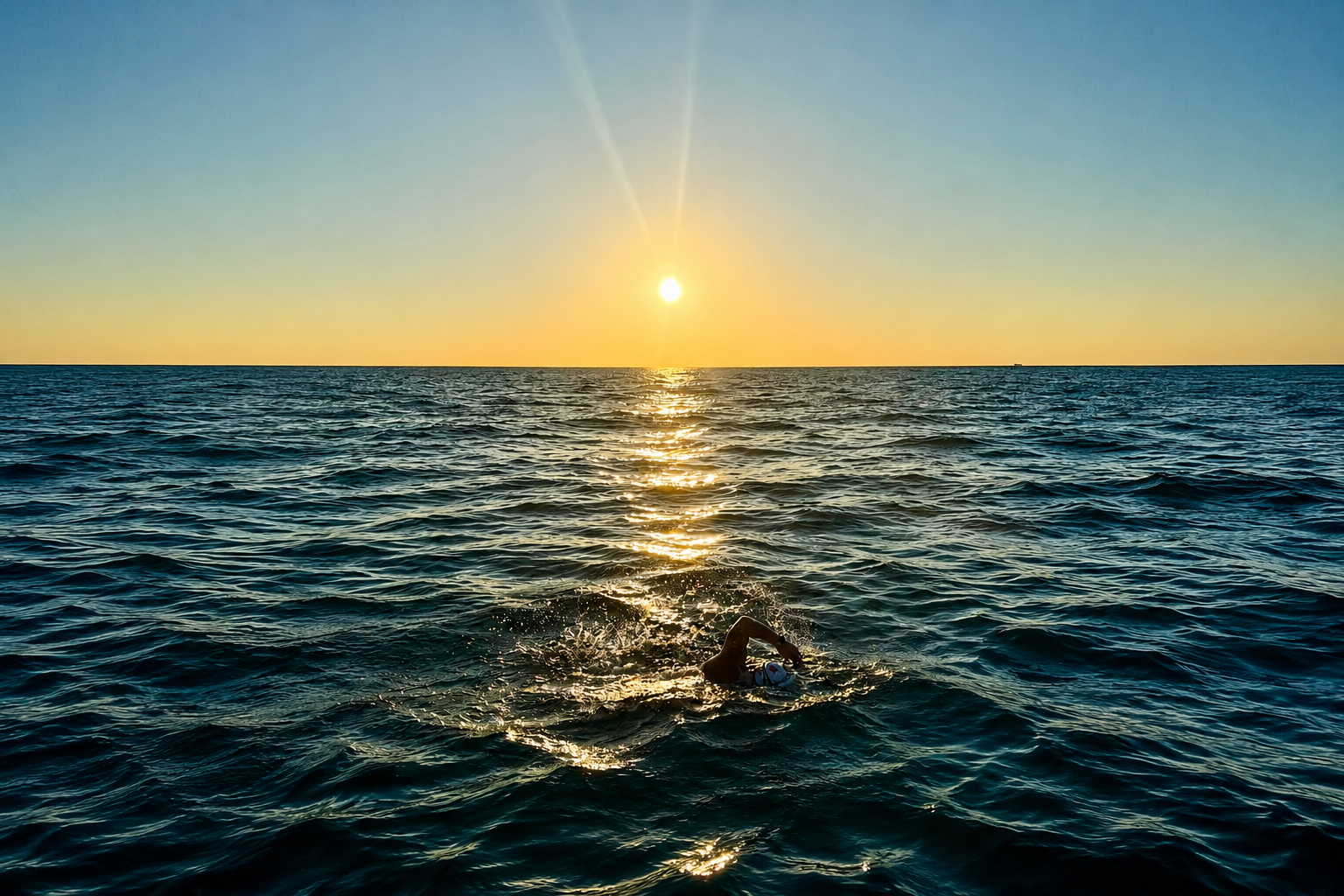
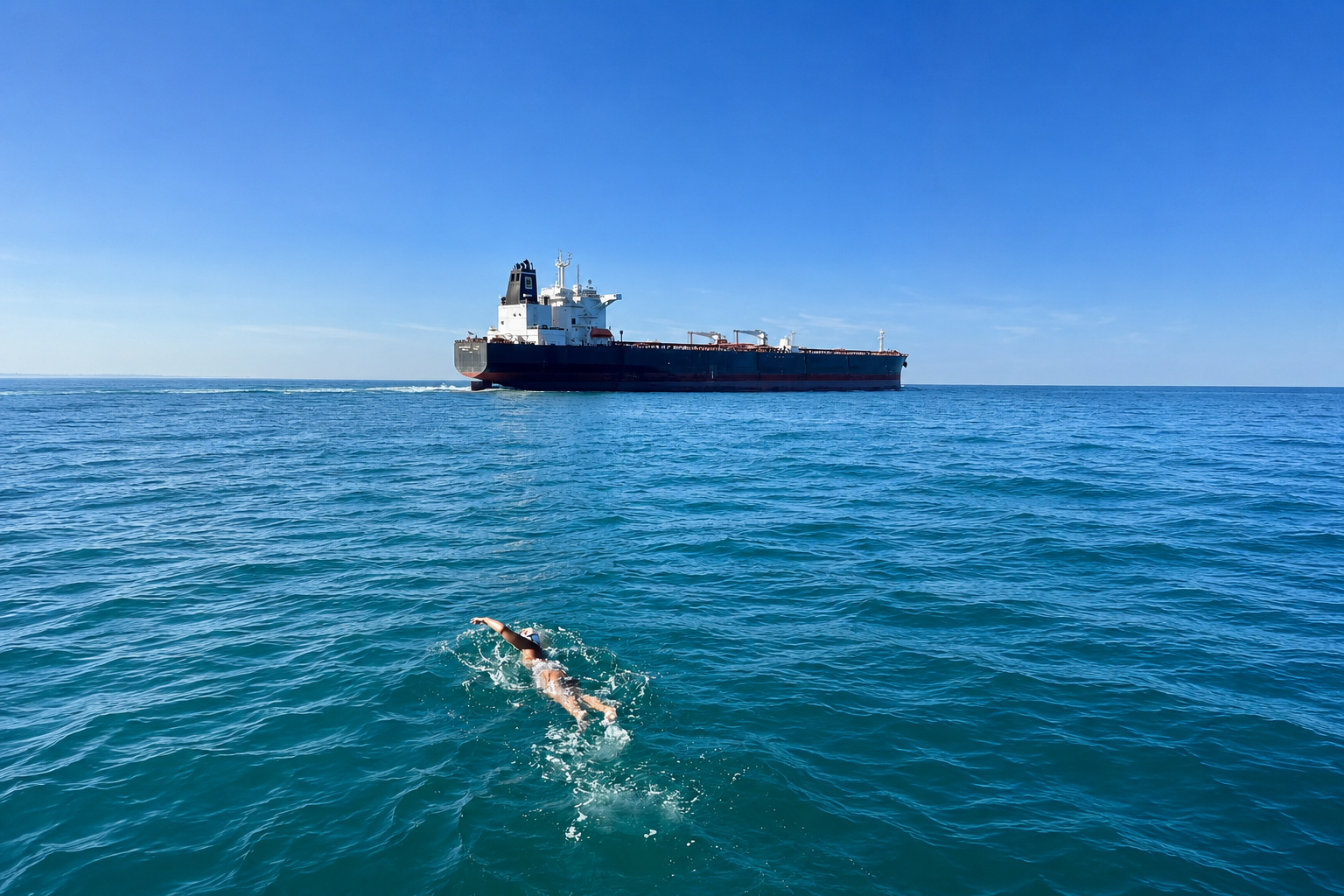
English Channel
The English Channel is often called the ‘Mount Everest’ of open water swimming due to its unpredictable weather, strong tides, and challenging conditions. With a success rate less than 50%, majority of the swims are abandoned, making each crossing a true test of resilience and determination.
34 kilometres - Bird’s eye distances
14-18°C - Water temperature
Strong currents - tides and volatile weather
“Nothing great is easy.”
— Captain Matthew Webb
Catalina Channel
Swimming through cold, shark-inhabited waters at night makes this course a distinct mental challenge. Known for strong swells, tidal currents, and turbulent waters, the Catalina Channel tests swimmers' ability to maintain pace and adapt to the unpredictable forces of the open ocean. It is a serious trial of both mental strength and adaptability.
35 kilometres - Bird’s eye distance
16-19°C - Water temperature
Night swim - In shark-inhabited waters
20 Bridges, Manhattan
Swimming around Manhattan means navigating three major rivers—the Hudson, East, and Harlem—each with its own set of tidal currents and challenges. Precise timing is crucial to avoid battling strong tides, making this swim a test of both strategic planning and endurance.
48 kilometres - Circumnavigation
16-20°C - Water temperature
Dark waters - with extreme tidal currents
Cook Strait
The Cook Strait, located between New Zealand’s two main islands, is known for strong currents and rapidly changing weather. Its turbulent waters and unpredictable conditions demand swift adaptation and strategic thinking from swimmers.
26 kilometres - Bird’s eye distance
13-16°C - Water temperature
Cold and volatile - ocean conditions
"Only those who will risk going too far can possibly find out how far one can go." — T.S. Eliot
Kaiwi Channel
Attempt aborted due to shark attack
Channel of Bones is notorious for its treacherous 42-kilometer stretch between Molokai and Oahu. Known for rough waters, powerful currents, and relentless ocean swells, swimmers face constant challenges from unpredictable tides, choppy waves, and marine life, including sharks and jellyfish.
42 kilometres - Bird’s eye distance
25-30°C - Water temperature
Extreme swells - in shark-inhabited waters
Gibraltar Strait
The Cook Strait, located between New Zealand’s two main islands, is known for strong currents and rapidly changing weather. Its turbulent waters and unpredictable conditions demand swift adaptation and strategic thinking from swimmers.
15 kilometres - Bird’s eye distance
16-19°C - Water temperature
Busy shipping lane - with extreme currents
North Channel
Coming Soon
The North Channel, is widely considered one of the most demanding open water swims in the world. Extreme cold, and waters densely populated with venomous Lion's Mane jellyfish make this crossing a singular test of endurance. Swimmers must adapt to near-hypothermic cold, hold their pace through relentless stings, and stay composed against rapidly shifting weather. The North Channel is a profound test of mental resilience and courage.
34 kilometres - Bird’s eye distance
10-13°C - Water temperature
Venomous jellyfish - in extreme cold waters
"Just keep swimming."
— Dory, Finding Nemo